
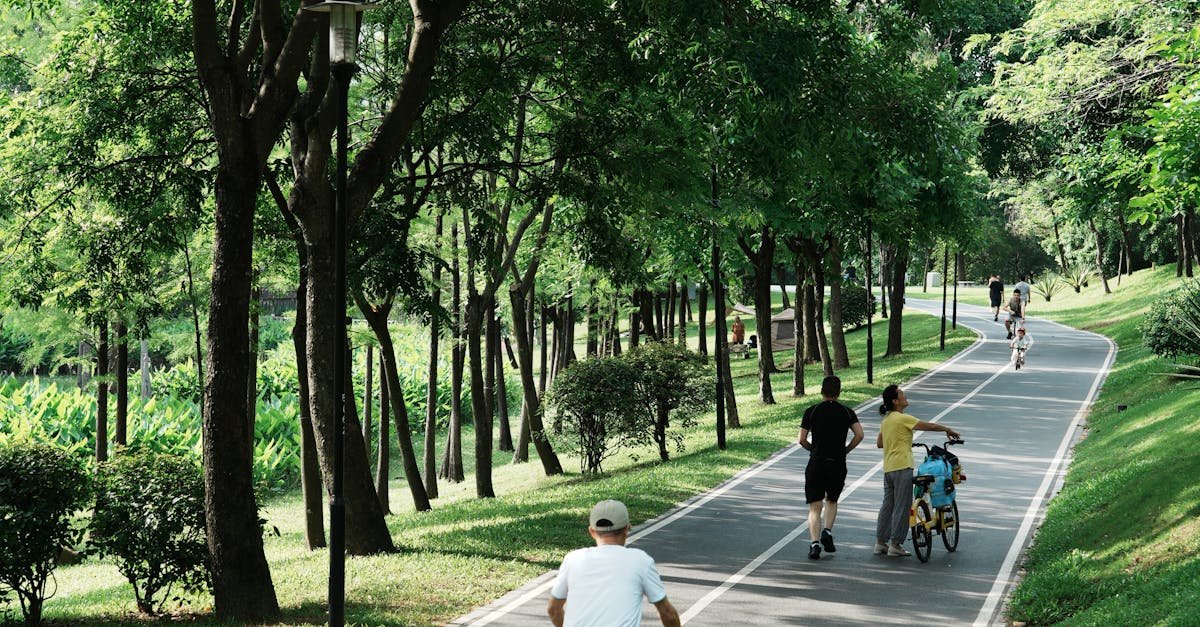
Cities are evolving faster than ever—and travelers are noticing. One of the biggest urban trends reshaping how we explore the world is the concept of the 15-minute city. From Paris to Melbourne, cities are redesigning themselves to be more livable, walkable, and travel-friendly.
At DiscoverCities, we’re all about uncovering how modern cities work—and why they’re becoming more exciting destinations than ever. Let’s dive into why 15-minute cities are trending and what this means for travelers, digital nomads, and city lovers.
🚶♀️ What Is a 15-Minute City?
A 15-minute city is an urban planning concept where residents can access everything they need—cafés, parks, grocery stores, offices, gyms, schools, and healthcare—within a 15-minute walk or bike ride from their home.
Instead of long commutes and traffic jams, life becomes local, human-scaled, and more sustainable.
Key features include:
- Pedestrian-friendly streets
- Reliable cycling infrastructure
- Mixed-use neighborhoods
- Green public spaces
- Reduced car dependency
For travelers, this means less time commuting and more time experiencing the city.
🌍 Why 15-Minute Cities Are Trending Right Now
Several global shifts are driving this trend:
1. Post-Pandemic Urban Living
The pandemic changed how people interact with cities. Walkable neighborhoods, outdoor spaces, and local experiences became more valuable than crowded tourist zones.
2. Rise of Remote Work & Digital Nomads
With remote work becoming mainstream, people are choosing cities based on quality of life, not just job opportunities. Compact, livable cities are winning.
3. Climate & Sustainability Goals
Cities are under pressure to reduce emissions. Fewer cars = cleaner air, quieter streets, and greener travel.
4. Traveler Preferences Are Shifting
Modern travelers want to live like locals, not just tick off landmarks. The 15-minute city makes authentic experiences easier than ever.
✈️ How This Trend Is Transforming Urban Travel
🏙️ Exploring Cities Without Cars
Travelers no longer need rental cars or daily metro passes. Walking and cycling become part of the adventure, letting you discover hidden cafés, street art, and local markets you’d otherwise miss.
🧳 Shorter Trips, Deeper Experiences
Instead of rushing between attractions, visitors can immerse themselves in one neighborhood—its food, culture, and rhythms.
🏡 Better Neighborhood Stays
Areas outside traditional tourist centers are becoming hotspots for Airbnb stays, boutique hotels, and co-living spaces.
🌟 Cities Leading the 15-Minute Movement
Here are some cities travelers should keep on their radar:
- Paris, France – The global poster child of the 15-minute city
- Barcelona, Spain – Superblocks reducing traffic and boosting walkability
- Copenhagen, Denmark – A cycling paradise with people-first design
- Melbourne, Australia – Neighborhood hubs and cultural districts
- Portland, USA – Local living with strong community vibes
These cities are not just destinations—they’re experiences.
🔮 What This Means for the Future of Travel
As more cities adopt this model, travel will become:
- More slow and intentional
- More eco-friendly
- More community-focused
- Less about checklists, more about connection
Travelers will choose destinations where life feels easy, local, and meaningful—and cities that offer that will thrive.
🌍 Discover Cities Differently with DiscoverCities
At DiscoverCities, we believe the best way to explore a city is by understanding how it lives and breathes. The rise of 15-minute cities is proof that urban travel isn’t just changing—it’s getting better.
Whether you’re a weekend explorer, a digital nomad, or a city-planning nerd, the future of travel is walkable, local, and incredibly exciting.
Ready to discover cities differently?
Stay tuned with DiscoverCities for the latest urban travel trends, city guides, and smart travel inspiration.