

🌊 INTRODUCTION: FLOWING UNDERNEATH
Many cities were born on riverbanks. Waterways gave them life—transportation, power, food, and beauty. But as cities grew denser and industrialized, many small rivers and streams were buried, rerouted, or forgotten entirely. These lost waterways—once the lifeblood of communities—were seen as obstacles to progress. Paved over with roads and buildings, they quietly flowed beneath modern streets, unseen and unheard.
But now, things are changing. From Seoul to London to Los Angeles, cities are rediscovering these underground streams. Some are even restoring them to the surface, in a process known as “daylighting”. Why are cities bringing back their buried rivers? And what do these watery ghosts tell us about the past, present, and future of urban life?
In this in-depth exploration, DiscoverCities takes you beneath the concrete to uncover the stories of five global cities with lost waterways—some still buried, others flowing freely once more.

🌍 CHAPTER 1: THE CONCRETE BURIAL OF WATERWAYS
In the 19th and 20th centuries, urban development prioritized sanitation, speed, and expansion. Open streams and small rivers—especially those polluted by industrial runoff or waste—were often seen as nuisances. Engineering and public health goals merged into a single solution: bury the rivers.
🔧 Why Bury a River?
Public Health: Open waterways became sewers during rapid urbanization. Burying them helped prevent outbreaks of cholera and typhoid.
Infrastructure Development: Rivers were paved over to make way for roads, railways, or real estate.
Sanitation Engineering: Many cities combined their stormwater and sewage systems, channeling both into covered waterways.
🏙 Examples from History:
- In London, over 20 tributaries of the Thames—including the River Fleet—were buried beneath the growing Victorian metropolis.
- New York City redirected and buried parts of Minetta Brook, Saw Mill Creek, and others under Manhattan’s grid.
- In Toronto, Garrison Creek disappeared beneath streets and parks in the early 1900s.
- Seoul’s Cheonggyecheon was covered by highways and elevated roads after the Korean War.
These decisions made sense at the time. But by turning rivers into sewers or drains, cities lost part of their identity. Today, the environmental cost is becoming clearer.

🌉 CHAPTER 2: CASE STUDY — SEOUL’S CHEONGGYECHEON RESTORATION
📍 Location: Seoul, South Korea
Once a polluted stream buried under concrete and expressways, Cheonggyecheon is now one of the most successful urban restoration projects in the world.
📜 A Brief History:
- Cheonggyecheon flowed through the heart of Seoul for centuries.
- In the 1950s, the stream became heavily polluted and was covered with concrete.
- In the 1970s, a 6-lane highway was built over it to accommodate cars and symbolized modern progress.
🔄 The Restoration:
- In 2003, Seoul’s mayor Lee Myung-bak launched a $900 million project to tear down the highway and restore the stream.
- Engineers removed 5.8 kilometers of road, reconstructed riverbanks, and pumped water from the Han River to maintain flow.
🌿 Results:
Environmental Benefits: Cooler temperatures, cleaner air, return of birds and fish.
Economic Impact: Boosted tourism, local business growth.
Social Reconnection: A place for people to walk, relax, and connect with nature.
Cheonggyecheon set a global example: you can restore a buried river—and reap massive benefits.

🏞 CHAPTER 3: THE RIVER FLEET UNDER LONDON
📍 Location: London, UK
Flowing from Hampstead to the Thames, the River Fleet was once one of London’s largest tributaries—but now it runs underground.
🏛 A River With History:
- Mentioned in Roman times and used by monks, merchants, and kings.
- It became heavily polluted by the 1600s.
- By the 19th century, Joseph Bazalgette’s sewer redesign buried the Fleet under Farringdon and King’s Cross.
🌧 Where Is It Now?
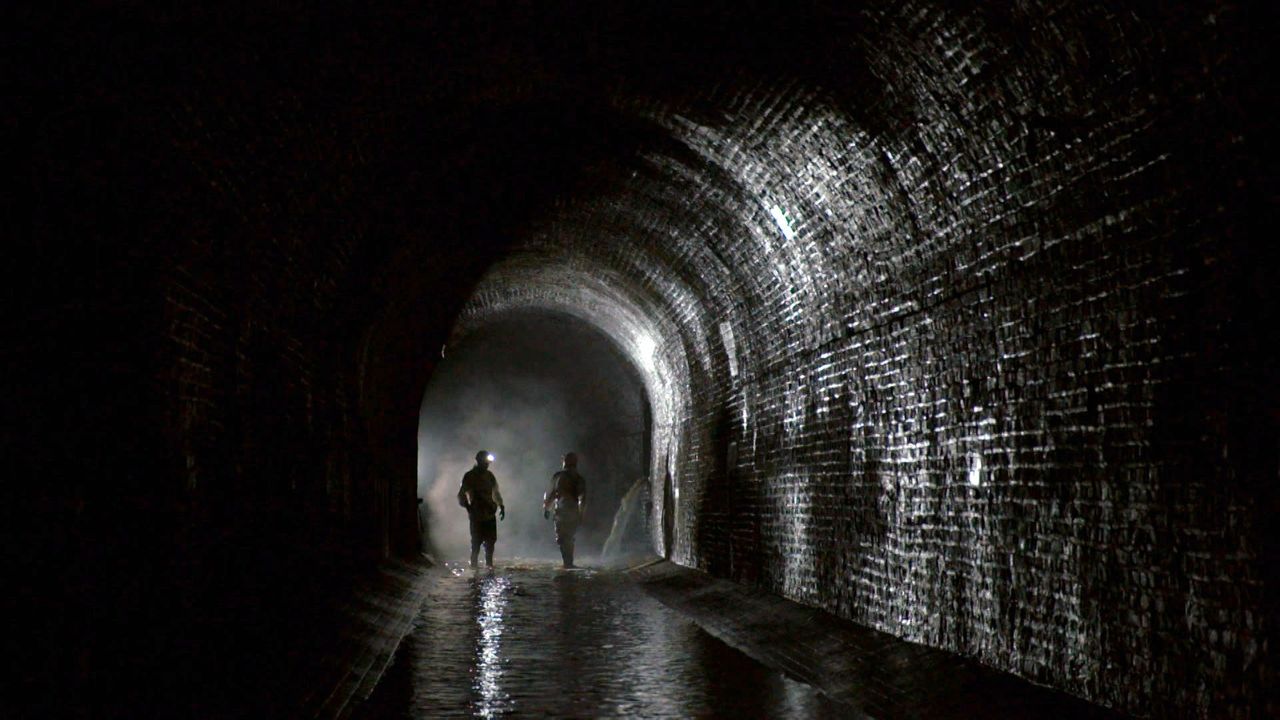
- It still flows in the darkness—channelled through Victorian-era brick tunnels.
- During heavy rain, the Fleet causes flooding and sewage overflow—evidence of infrastructure under stress.
🚶♂️ The Ghost River:
- Londoners can “follow” the Fleet’s path above ground via historic maps and walking tours.
- Artists and urban explorers keep its memory alive.
Though the Fleet is unlikely to be daylighted soon, awareness and curiosity grow each year. Its story is a reminder of what was lost—and what might someday return.
🏞 CHAPTER 4: THE DAYLIGHTING OF SEATTLE’S THORNTON CREEK
📍 Location: Seattle, USA
Seattle has over 3,000 miles of buried creeks. Thornton Creek—once hidden in a concrete pipe—has become a model for urban daylighting.
🚧 Problem:
- As Seattle grew, Thornton Creek was buried beneath parking lots and storm drains.
- Flooding became common. Pollution threatened Lake Washington.
🌿 Solution:
- The city removed parking lots and pavement.
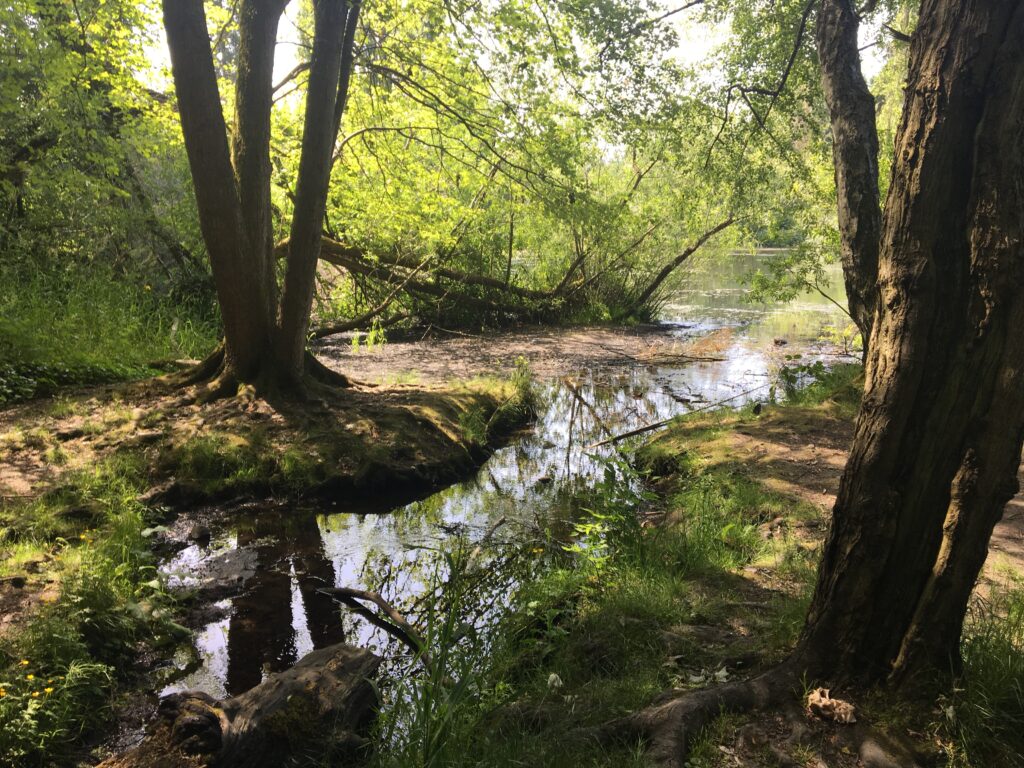
- In their place, a natural-looking wetland and stream system was built.
🌱 Benefits:
- Reduced flooding
- Reestablished salmon habitat
- Community green space
- Boosted property values
Thornton Creek shows that even smaller-scale projects can have big urban impacts.
🌆 CHAPTER 5: BARCELONA’S “REIMAGINED” WATER
📍 Location: Barcelona, Spain
Unlike cities with rivers, Barcelona’s water was always scarce. The city reimagines water through “invisible rivers”: green corridors, stormwater parks, and public art.
🌿 Projects:
- Parc Central del Poblenou reuses stormwater in a natural cycle.
- Plaça de les Glòries includes underground streams channeled through green spaces.
- Water Museums and fountains connect people to historical aqueducts.
Though not restoring a single lost river, Barcelona offers a futuristic model: designing water not just as infrastructure, but as public experience.

🌐 CHAPTER 6: WHY CITIES ARE UNBURYING RIVERS
Cities are rediscovering the value of their waterways—for health, sustainability, and beauty.
💡 Benefits of Daylighting:
- Reduces flooding and stormwater overflow
- Cleans water naturally through vegetation
- Adds cooling and biodiversity to urban areas
- Creates recreational spaces and improves mental health
- Honors history and identity
🧱 Challenges:
- High costs
- Disrupting existing roads and buildings
- Balancing historical preservation and modern function
Despite this, the trend is growing—especially in Europe, North America, and parts of Asia.
✈️ CHAPTER 7: HOW TO EXPLORE LOST WATERWAYS YOURSELF
Whether you’re a traveler or an urban explorer, here are ways to find and experience hidden waterways:
🗺️ Walking Tours:
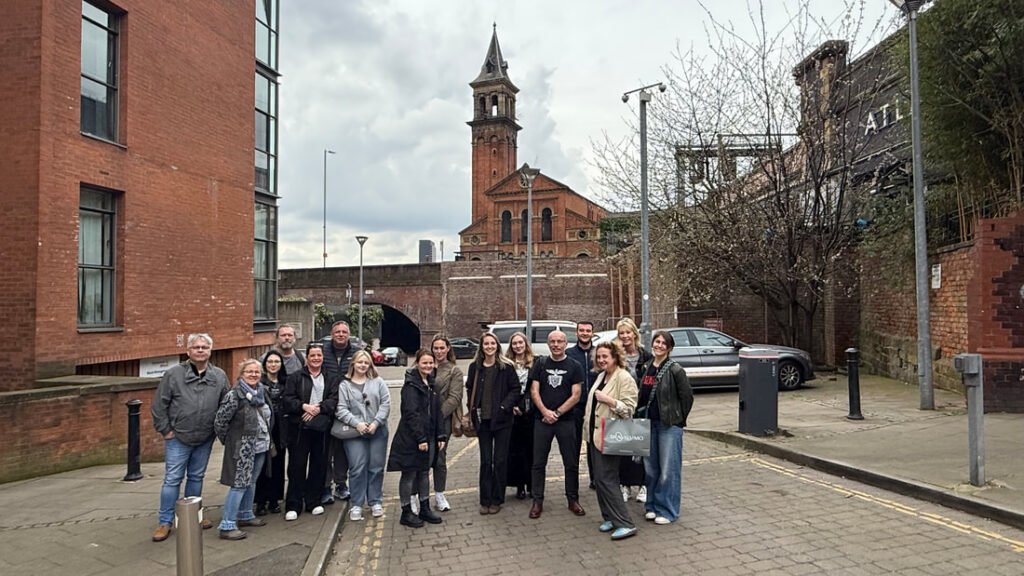
- Join ghost river tours in London, Edinburgh, or Toronto.
- Use mobile apps or historic maps to follow underground streams.
📸 Photography Spots:
- Seoul’s Cheonggyecheon at night
- Stormwater parks in Seattle
- Sculptures marking the River Fleet’s route in London
🧭 Research Local Projects:
- Visit city planning websites or environmental NGOs.
- Look for urban planning exhibitions or public talks.
💭 CONCLUSION: THE RETURN OF THE RIVER
A lost river is never truly gone. It whispers beneath manholes and sings through storm drains. As cities grow, they are learning to live with water again—not just over it.
Restoring rivers is not just about nature—it’s about connection. To our history. To each other. To a future where cities flow in harmony with the land they rise from.
Next time you walk through your city, ask yourself: What’s flowing beneath my feet?
📚 REFERENCES, MAPS & MEDIA
Include links to:
- Restoration project pages (e.g., Cheonggyecheon official site)
- Interactive maps (Fleet River path, Seattle’s Thornton watershed)
- Documentaries or TED talks
Embed:
- Before/after photos of daylighted rivers
- Historic sketches or urban plans
ll9c07
Interesting analysis! Seeing more platforms like legend link ph games cater to the Filipino market is great. Secure, mobile access is key for serious players-convenience matters! Solid points about responsible gaming too.